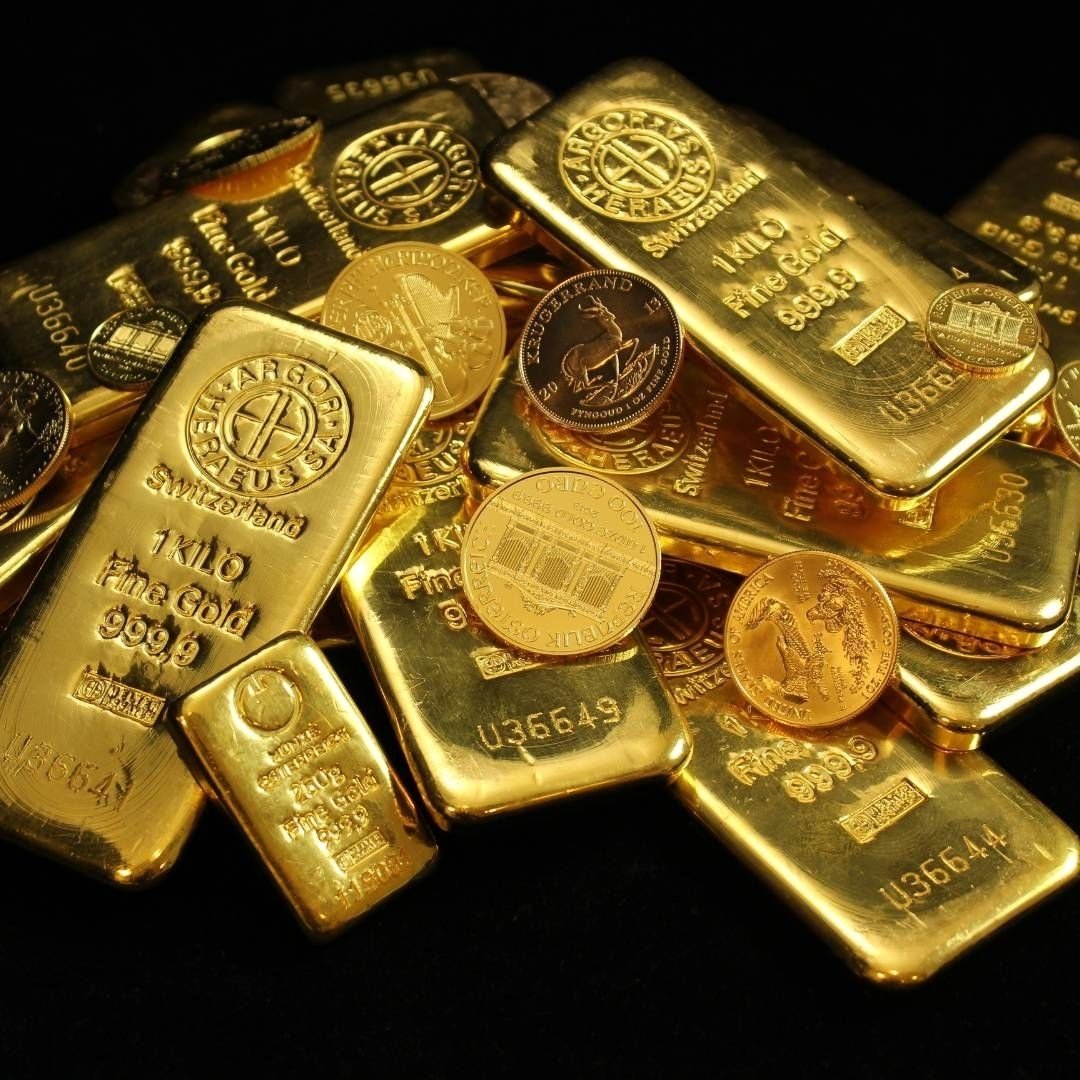
Gold Market Fundamentals

To invest confidently in gold, you need more than just a spot price. You need to understand the forces that drive global supply, demand and pricing. From our base in Uganda – close to African mining deposits – Nile Gold Trading offers a clear view of the real fundamentals behind the gold market.

Global market insight • African supply focus • Physical bullion expertise

The Global Gold Market at a Glance

Gold is traded and held all over the world – by central banks, investment funds, jewelry manufacturers, technology companies and private investors. Each year, newly mined gold is added to a huge stock of existing metal that has been accumulated over centuries.

Unlike many commodities, almost all the gold ever mined still exists in some form. That means price is shaped not only by annual mine production, but also by how willing existing holders are to buy more, hold, or sell.

PHOTO: GLOBAL GOLD MARKET OVERVIEW

Where Gold Supply Comes From

The annual flow of new gold into the market comes mainly from three sources:

  • New Mine Production
    Gold mined from deposits in Africa, the Americas, Asia and other regions. This is the largest single source of new metal each year.
  • Recycled Gold
    Metal recovered from old jewelry, industrial scrap and investment products, melted and refined back into bullion.
  • Official Sector Sales (Occasional)
    Central banks sometimes sell small portions of their reserves, although in recent years many have been net buyers instead.

Uganda and neighbouring countries form an important part of the global mine supply story, with growing production and refining capacity feeding international demand.

PHOTO: MINE → REFINERY → GOLD BARS

Who Buys Gold – The Demand Side

Gold demand is broad and global. Different buyers are motivated by different needs – from investment and reserves to beauty and technology.

Investment & Wealth Preservation

Investors, family offices and funds buy gold bars, coins and allocated bullion to protect wealth against inflation, currency risk and financial crisis.

Central Banks

Many central banks hold gold as a core reserve asset, diversifying away from paper currencies and government bonds.

Jewelry & Luxury

The largest share of physical demand still comes from jewelry, especially in markets like India, China and the Middle East, where gold is both adornment and savings.

Industrial & Technology

A smaller but important portion of demand comes from electronics, medical devices and other high-tech uses where gold’s unique properties are essential.

PHOTO: GOLD DEMAND – INVESTMENT, JEWELRY & TECH

What Really Drives the Gold Price?

While short-term movements can seem noisy, several key forces tend to shape gold’s price over time:

  • Real Interest Rates
    When returns on cash and bonds (after inflation) are low or negative, gold often becomes more attractive as a store of value.
  • Inflation & Currency Weakness
    Rising prices and weakening currencies can push investors toward gold to protect purchasing power.
  • Financial & Geopolitical Stress
    Banking crises, debt worries, conflict and political shocks typically increase demand for safe-haven assets like gold.
  • Market Sentiment & Speculation
    Futures markets and investor positioning can amplify short-term moves, creating sharp spikes or corrections.
PHOTO: GOLD PRICE DRIVERS – INFLATION, RATES, RISK

Uganda & East Africa in the Global Gold System

The Great Lakes region has become an increasingly important source of gold for the world. Uganda serves as a key regional hub, connecting local deposits and neighbouring production to international markets in the Middle East, Europe and Asia.

  • Access to mined gold from Uganda and neighbouring countries.
  • Growing refining and export infrastructure.
  • Efficient air links to major trading centres.

Nile Gold Trading operates directly within this ecosystem, giving clients a practical connection between African supply and global demand.

PHOTO: UGANDA CONNECTED TO GLOBAL GOLD HUBS

What Market Fundamentals Mean for Your Gold Strategy

Think Beyond Today’s Price

Prices move daily, but fundamentals – inflation, debt, long-term demand – drive the multi-year story.

Focus on Quality & Liquidity

High-purity, well-documented bullion is easier to sell and more widely accepted worldwide.

Use Gold as a Hedge

Treat gold as portfolio insurance against extreme shocks, not just as a speculative trade.

Choose the Right Partner

Working with a supplier close to the source, like Nile Gold Trading in Uganda, helps you align your strategy with real-world supply conditions.

Discuss Gold Market Fundamentals with Our Team

If you’re planning a significant allocation to physical gold, our team can share what we see on the ground in Uganda and across the region – and help you connect those fundamentals to a practical bullion strategy.

Email: info@nilegoldtrading.com
Call / WhatsApp: +256 XXX XXX XXX

Talk to a Gold Market Specialist

This page is for general information only and does not constitute personalised investment advice.